

Blog
Agarwood (Oud) and Meditation: A Scent for Quiet Practice

Meditation is an old practice of sitting still and paying attention. In a busy week, many people treasure it as a few minutes set apart from everything else. Scent has long been part of that setting apart, and few scents are as closely tied to it as agarwood, also known as oud. Here is where agarwood comes from, why it has been burned in contemplative traditions, and how to bring it into your own practice.
Agarwood has been burned for centuries in temples, shrines and homes across Asia and the Middle East. It is prized for its rich, layered fragrance, and in many traditions it is associated with stillness and reverence. Those associations are culture, not promises; what agarwood gives you for certain is its scent.
What agarwood is
Agarwood comes from Aquilaria trees, native to South and Southeast Asia. The fragrant part is a dark, resin-rich heartwood that forms inside the tree over many years, which is one reason agarwood is rare and costly. In some traditions it is called the “Tree of the Gods” or the “Heavenly Tree”. When burned, it releases a scent that blends earthy, woody and sweet-spice notes, with a depth that is hard to compare to anything else.
In Buddhist temples, in homes across the Arabian Peninsula and in the Japanese art of incense, agarwood has long been the wood people burn when they want to mark a moment as special. Many meditators light it at the start of a session to mark the time and space set aside for stillness. Over time a familiar scent becomes part of the ritual itself: you light it, you sit down, the day pauses.
Agarwood at the start of a practice
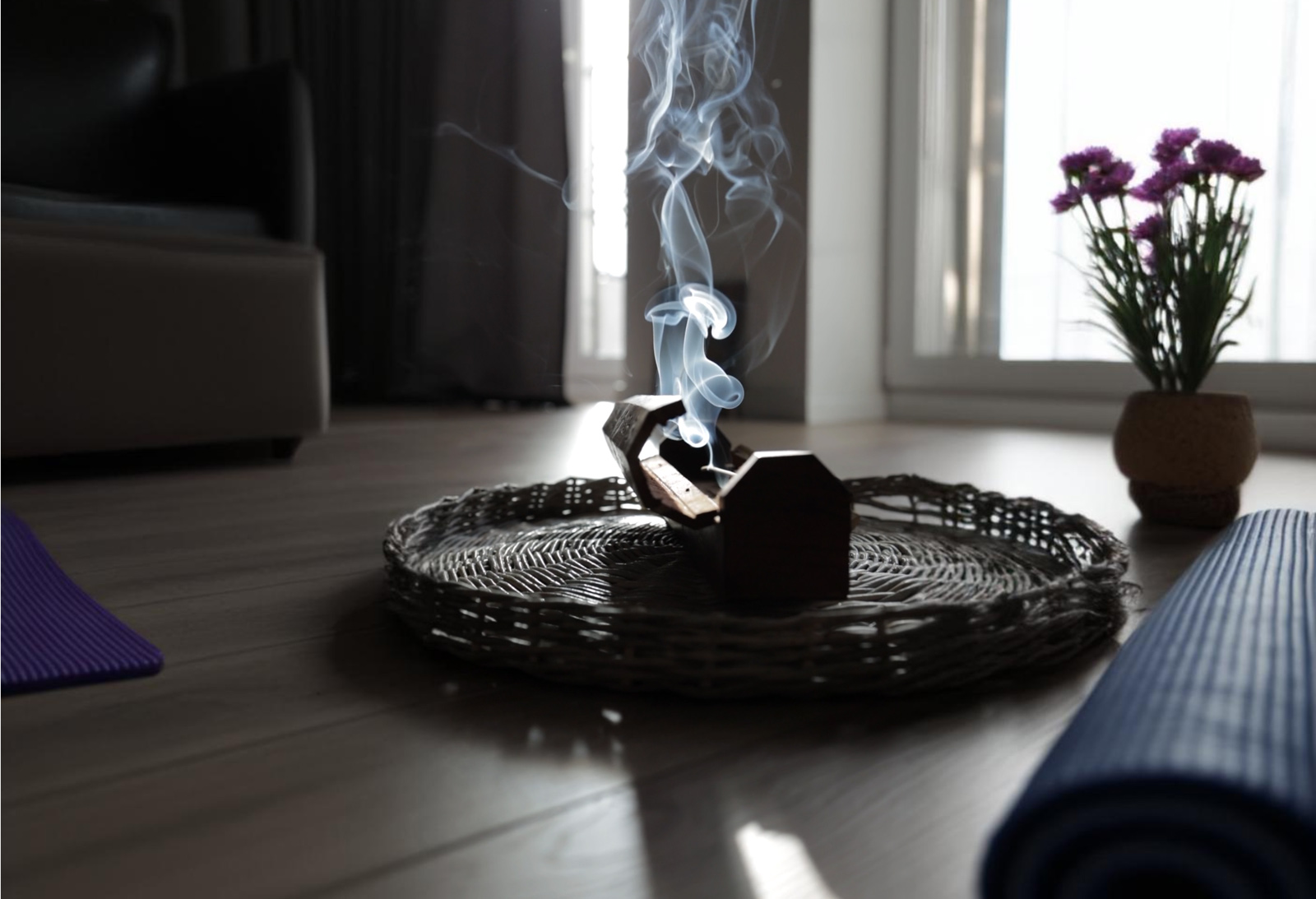
Light the incense a few minutes before you sit. As the first thread of smoke rises, settle onto your cushion or chair. The scent becomes a quiet signal that this part of the day is different, which can make your meditation time feel more intentional and meaningful.
Agarwood is not only for meditation. People also burn it during yoga, prayer, reading or a slow evening at home. A single stick in a living room or study brings a warm, contemplative atmosphere to an ordinary afternoon.
Why agarwood and meditation go together
Agarwood and meditation have been paired for centuries. In kodo, the traditional Japanese way of incense, agarwood is the central material, and the practice itself is one of quiet, careful attention to scent. In many other traditions, the qualities associated with agarwood, such as groundedness, stillness and reverence, make it a natural companion to sitting practice.
Part of the appeal is simply the ritual. Preparing the incense, lighting it and watching the smoke rise are small, deliberate actions that help mark the transition from a busy day into a few minutes of stillness.
Choosing agarwood for your practice
Agarwood incense is made in several forms, and each suits a different routine. Sticks are practical and easy to use. Cones give a fuller scent over a shorter time. Powder suits people who like to make their own blends or burn incense on a heat-proof burner.
Each type has its own character. Some burn softer and more mellow, while others fill the room with a richer, deeper aroma. If you are new to agarwood, start with a stick and a short session, and notice how long the scent stays in the room after it goes out.
Setting up your meditation space
A few small choices make a difference:
- Choose a stable, heat-proof holder and place it where the smoke will not drift straight toward your face.
- Open a window slightly before you begin.
- Light the tip, let it catch, then gently blow out the flame so it smolders.
- Sit at a comfortable distance; the scent will reach you.
- When you finish, make sure the ember is fully out.
Never leave burning incense unattended, and keep it away from children, pets and anything flammable. If you are sensitive to smoke, use it sparingly; if you have asthma or another respiratory condition, ask your doctor before burning incense.
Explore agarwood at Mamuxa
Visit www.mamuxa.shop to see our Agarwood incense.
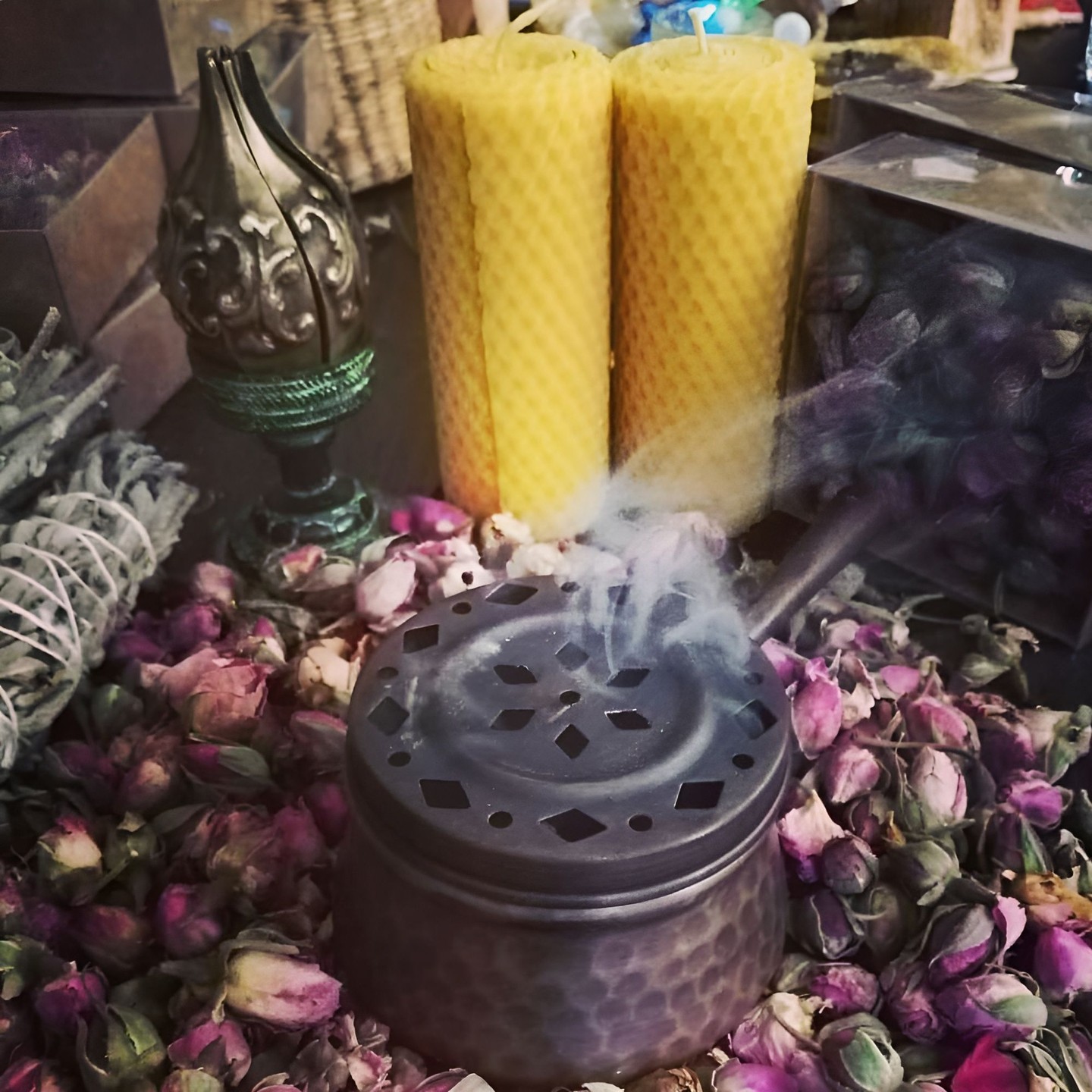
Alongside agarwood, you will find our other incense and ritual products, from wood incense to botanical bundles and holders, for building a meditation corner of your own.
A quiet ritual of your own
Agarwood and meditation are two old traditions of attention. Put together, they make a simple ritual: light the incense, sit down and let the scent mark the time.
We share these traditions as culture, not as promises. Many people simply light agarwood to mark a quiet moment, and that is reason enough.




