

Blog
What Is Sandalwood Incense? Scent, History and Traditions

Sandalwood Incense: A Centuries-Old Tradition, a Warm Woody Scent
Sandalwood incense is one of the oldest and best-loved incenses in the world, burned across many cultures for centuries. It is known for its warm, creamy fragrance and for its long-standing role in ritual and ceremony. Today it is widely enjoyed during meditation and yoga, and it is still burned in temples and at home altars.
In this guide we look at what sandalwood incense is, its scent and uses, its history, its place in temple ceremony, and the traditional associations between sandalwood and the chakras in spiritual lore.
Sandalwood: The Fragrant Traces of History
Sandalwood (Santalum album) is a slow-growing tree long associated with India, where it has held cultural and religious significance for thousands of years. Its fragrant heartwood has been prized by many civilizations and used in many ways.
In India, sandalwood is closely bound up with Hindu worship. Sandalwood paste is offered to deities and applied as a mark on the forehead, and the wood and its incense are used in religious ceremonies. Sandalwood oil and incense have also long accompanied practices such as meditation and yoga.
From India, the sandalwood trade spread across Asia, the Middle East and eventually Europe. In China, sandalwood was burned as incense in Buddhist temples and carved into boxes and fans. In Japan it became one of the classic woods of the incense ceremony. In Europe, it became a prized ingredient in perfumery.
Sandalwood in Temple and Ceremony
Sandalwood is known for its aroma and also for its long role in religious and ceremonial life. In many traditions, its smoke marks the beginning of prayer or meditation and sets a space apart for ceremony.
Sandalwood in Buddhist and Hindu Practice: In Hindu and Buddhist temples, sandalwood incense is lit as an offering and to mark sacred moments. Monks and lay people alike burn it at altars, and its scent is part of the atmosphere of many temples across Asia.
Sandalwood in Ritual Today: Many people use sandalwood incense in their own rituals at home. In these traditions, lighting sandalwood marks a new beginning or a moment of reflection, and it is often chosen when setting new intentions.
Sandalwood and Chakras: Chakra Lore
In spiritual lore, sandalwood is traditionally associated with the chakras, points along the spine described in Indian spiritual traditions, each linked with different emotional and spiritual themes. In this lore, sandalwood is associated with balance and harmony among them.
Root Chakra: In chakra lore, the grounding character of sandalwood is associated with the root chakra, traditionally linked to feelings of security and stability.
Sacral Chakra: In tradition, sandalwood is associated with the sacral chakra, linked to creativity and emotional expression.
Solar Plexus Chakra: In chakra lore, sandalwood is associated with the solar plexus chakra, linked to self-confidence.
Heart Chakra: In spiritual tradition, sandalwood is associated with the heart chakra, linked in lore to love, compassion, kindness and forgiveness.
Throat Chakra: In chakra lore, sandalwood is associated with the throat chakra, traditionally linked to communication and expression.
Third Eye Chakra: In tradition, sandalwood is associated with the third eye chakra, linked in lore to intuition and insight.
Crown Chakra: In chakra lore, sandalwood is associated with the crown chakra, traditionally linked to spirituality and a sense of connection.
These associations are shared as lore; different sources describe them in different ways.
What Is Sandalwood Incense?
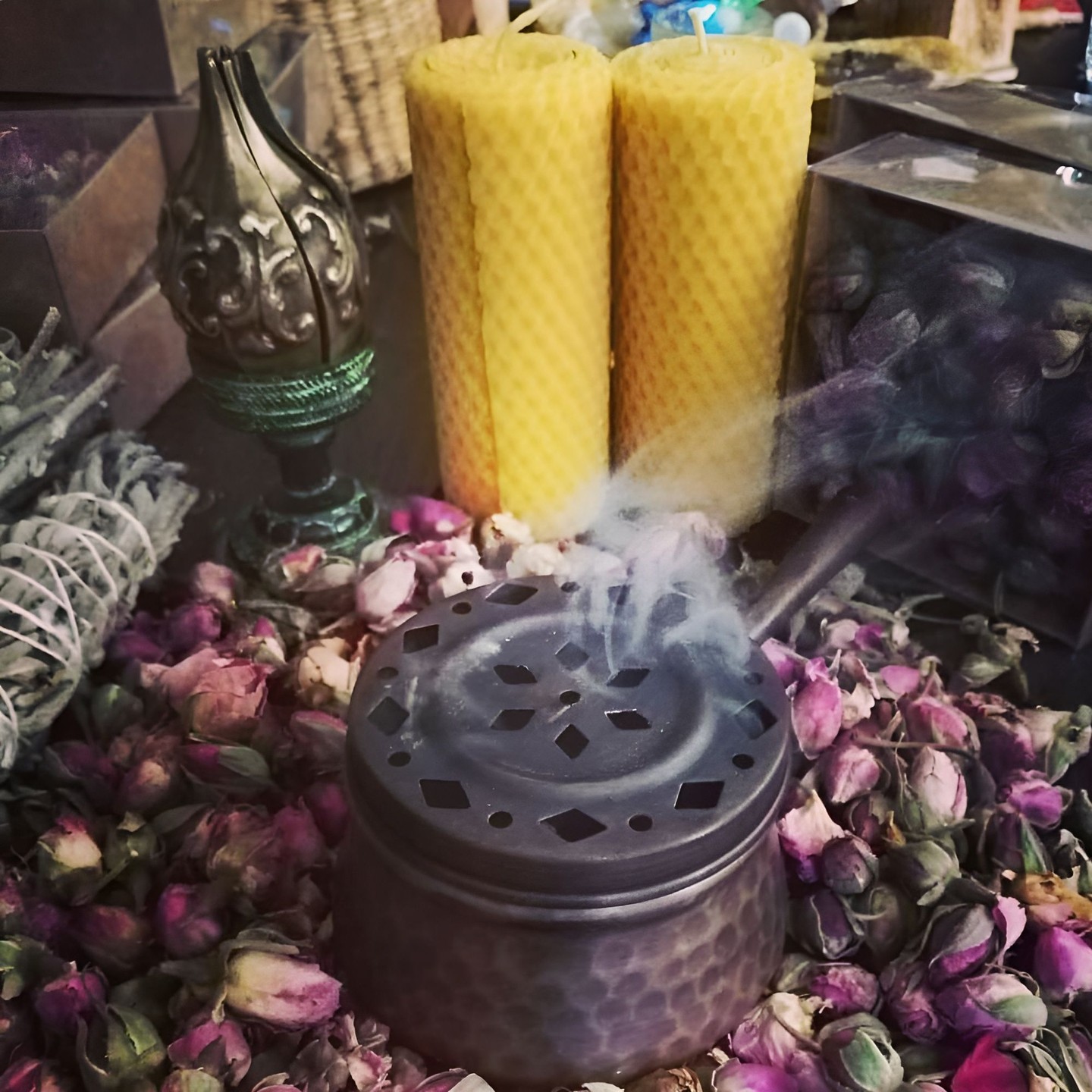
Sandalwood (Santalum album) is an aromatic tree grown mainly in India, Indonesia and Australia. Its heartwood contains sandalwood oil, which has a soft, woody and sweet fragrance. Sandalwood incense is made from the powdered wood or its oil, shaped onto sticks or pressed into cones.
Sandalwood Incense: Scent, Uses and Traditions
- A Warm, Grounding Atmosphere: The soft, woody scent of sandalwood creates a peaceful, inviting atmosphere in any room. Many people love to burn it during yoga and meditation as part of their ritual.
- Meditation and Contemplation: Sandalwood is a traditional companion to meditation and yoga. Its rich aroma helps set a quiet, calm scene for practice.
- Smoke Cleansing Traditions: In many spiritual traditions, sandalwood is burned to mark a fresh start in a space. Burning it at home or at work is a cherished ritual for many who want a more peaceful atmosphere.
- An Evening Ritual: Many people enjoy the soft, woody scent of sandalwood as part of an evening ritual, filling the room with a warm fragrance at the end of the day.
- Love and Relationships in Lore: In folk tradition, sandalwood is associated with harmony in love and relationships, and many people like to burn it on a quiet evening shared with someone close.
Sandalwood Incense in Rituals and Meditation
Sandalwood incense has been used in rituals and meditation across many cultures for centuries. In Hinduism and Buddhism in particular, sandalwood is considered sacred and is burned in temples. Its fragrance has long accompanied people as they settle into a quiet, contemplative moment.
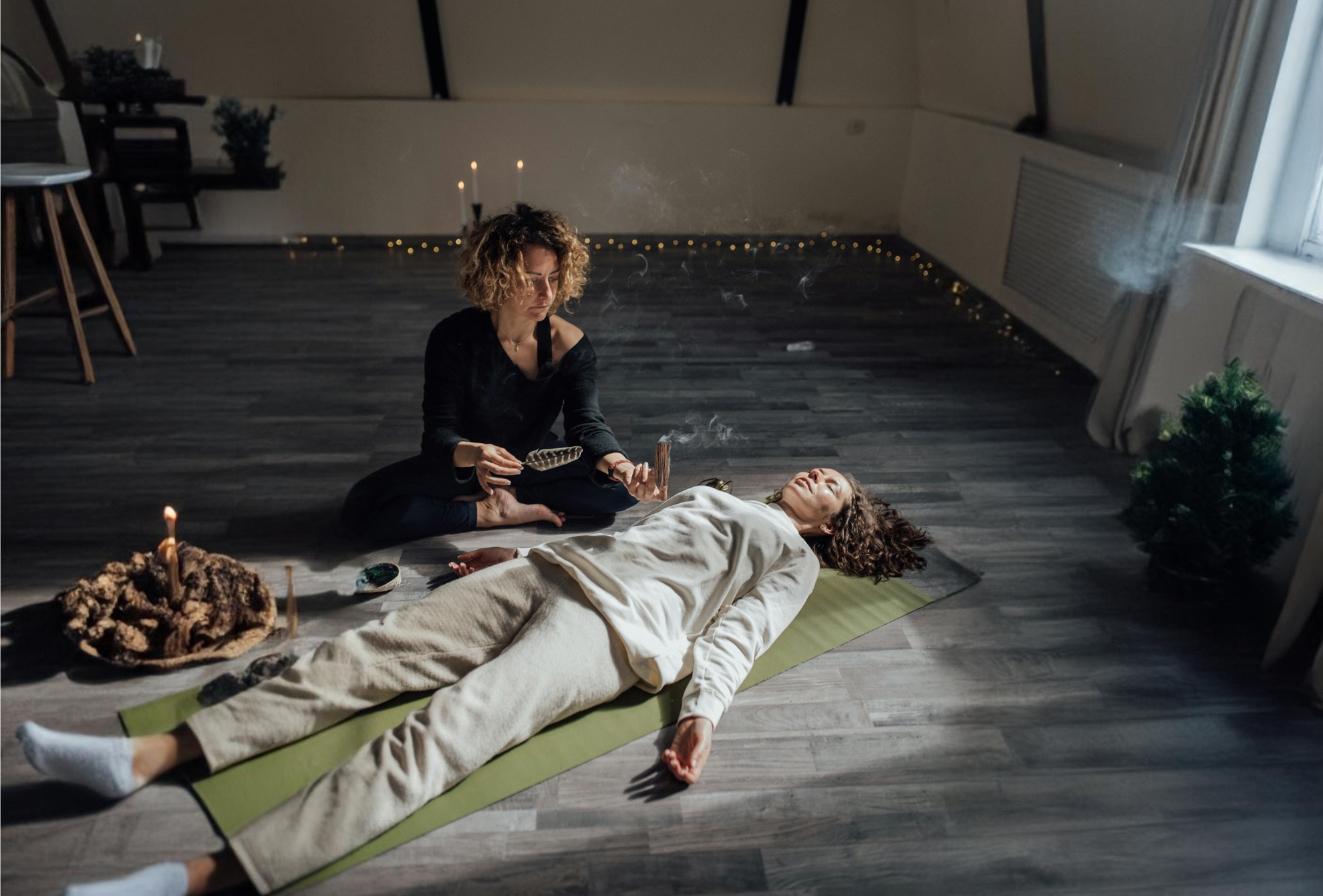
Sandalwood in Rituals: In smoke cleansing rituals, the sandalwood stick is lit, and its smoke is wafted gently around the room, toward the corners and doorways. Many people see this as a way to mark a new beginning in a space.
Sandalwood in Meditation: Sandalwood is a beloved part of meditation rituals. Burning it while meditating sets a calm, serene scene for your practice.
How to Use Sandalwood Incense
Sandalwood incense usually comes as sticks or cones. Light the tip of the stick or cone with a match or lighter. Once it catches, gently blow out the flame and let the incense smolder slowly. The smoke will fill the room with a warm, woody scent.
Important Note: Place the holder on a heat-proof surface, keep the room ventilated and stay nearby while the incense is burning. Keep it away from children and pets. If you have asthma or are sensitive to smoke, ask your doctor before burning incense.
Uses of Sandalwood Incense
Sandalwood incense can be used in many ways:
- Meditation and Yoga: Burn it during meditation and yoga to set a calm atmosphere.
- Religious Rituals: Sandalwood, considered sacred in several religions, is burned in religious ceremonies and worship.
- Fragrance for the Home: Its warm, woody aroma makes it a beautiful natural fragrance for any room.
- Smoke Cleansing: In spiritual tradition, it is burned to mark a fresh start in a space.
- A Romantic Evening: In lore, sandalwood is associated with romance, and many people burn it for a romantic evening at home.
Enjoy the Tradition with Mamuxa
Sandalwood carries the traces of a centuries-old tradition, and its warm, woody fragrance is a lovely way to take part in a ritual cherished for generations.
Explore Mamuxa’s Sandalwood Incense Varieties and Traditional Wood Incense to find a scent for yourself or someone you love.
Whether you burn it in meditation or simply to scent a room, sandalwood is a warm, timeless fragrance to come home to.




