

Blog
What Is Palo Santo? Scent, History and Andean Traditions

Palo Santo: A Tradition Rooted in the Andes
Palo santo, Spanish for “holy wood,” is the wood of Bursera graveolens, a tree native to the dry forests of South America. In Peru and Ecuador in particular, it has been burned for centuries by Indigenous peoples in smoke cleansing rituals and ceremonies, and it is still popular today. The wood is loved for its bright aroma and for the traditions and stories that surround it.
Palo Santo: A Heritage of the Andes
Palo santo’s story is tied to the cultures of the Andes and the Pacific coast of South America. Andean peoples regarded palo santo as a special wood and burned it in ceremonies and rituals. Its aroma, woody and sweet with notes of lemon peel and pine resin, has been part of ritual, religious ceremony and daily life in the region for centuries.
Palo Santo in History
Palo santo has been burned since the time of the Incas. According to tradition, its smoke was used to keep bad spirits away and to connect with the spiritual world, and ritual specialists burned it in ceremonies meant to restore a sense of balance.
During the Spanish colonial period, palo santo is said to have been burned as incense in Catholic ceremonies as well, which helped spread its use among the wider population. Today it remains part of everyday life in many Andean homes.
The Role of Palo Santo in Andean Ritual
For many Indigenous communities in the region, palo santo is not just a tree but a ceremonial wood. In their traditions, its smoke is part of rituals that mark a fresh start, and it accompanies prayer, blessings and ceremonies.
- Smoke Cleansing: In Andean tradition, palo santo smoke is used in smoke cleansing rituals for a person or a space, often at the start of a ceremony or a new chapter.
- Traditional Ceremonial Use: In Andean folk tradition, palo santo is associated with renewal, and its incense is burned as part of ceremonial practice.
- Spiritual Practice: In spiritual lore, palo santo is associated with the inner journey. Ritual specialists burn it while offering blessings.
- Folklore: In folk belief, palo santo is said to keep bad spirits away, and many families burn it at home as part of everyday tradition.
Palo Santo and Chakras: Chakra Lore
In modern spiritual lore, palo santo is also associated with the chakras. It is traditionally linked with the heart and crown chakras, which in this lore are associated with love, compassion and spiritual awareness.
Some people burn palo santo during chakra-focused meditations as part of this practice. These associations are shared as lore and tradition.
How to Use Palo Santo
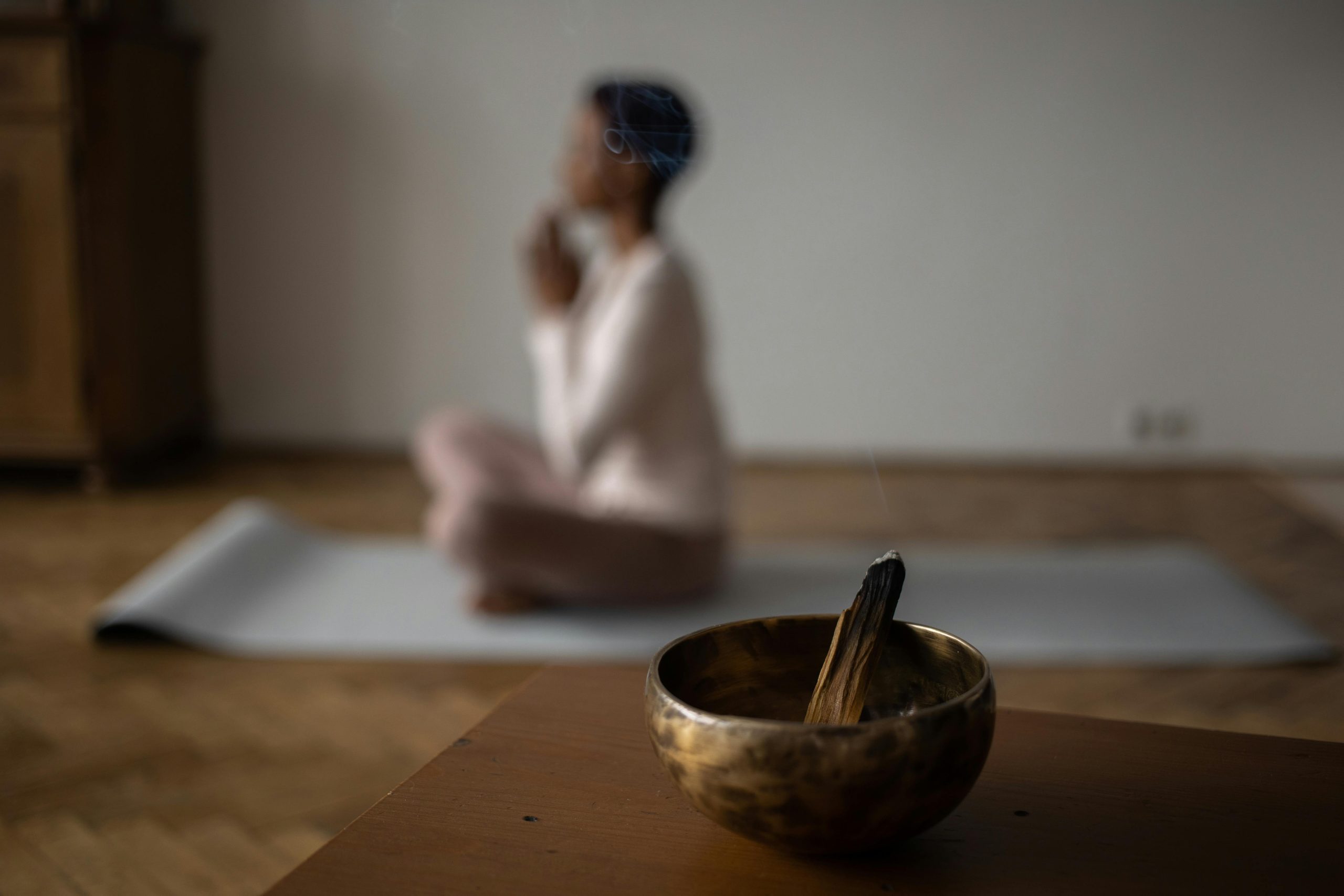
Sticks: Palo santo usually comes in stick form. Hold one end of a stick in a flame for about 30 seconds, then gently blow out the flame and let it smolder. Rest it on a heat-proof holder; it usually goes out on its own after a short while, and you can relight the same stick many times. The smoke fills the room with a fresh lemon-pine scent. Always burn it in a well-ventilated room and never leave it unattended. If you have asthma or are sensitive to smoke, ask your doctor before burning it.
Oil: Palo santo oil is also sold for use in a diffuser. Add a few drops to a diffuser, or place a drop on a cotton ball, to enjoy the scent without smoke.
Palo Santo: Where It Comes From
Palo santo is not grown in Anatolia; it comes from South America, and we hand-pack it in our atelier. Our sticks are hand-cut, so each one varies a little in color, weight and width. How palo santo is harvested matters to many people, and it matters to us. Whoever you buy from, it is fair to ask where the wood comes from. We share what we know, and if you have a question about ours, write to us.
With centuries of history behind it, palo santo remains a special wood, and a meaningful part of ritual and ceremony.
Explore Mamuxa’s Palo Santo Incense and Traditional Wood Incense to find a scent for yourself or as a gift.
Lit as part of a quiet, meditative ritual, palo santo brings a bright, fresh scent into your home.
Many people keep a few sticks by the door or on a shelf, ready for the next quiet moment.




