

Blog
Palo Santo and Its Future: A Guide to Responsible Use

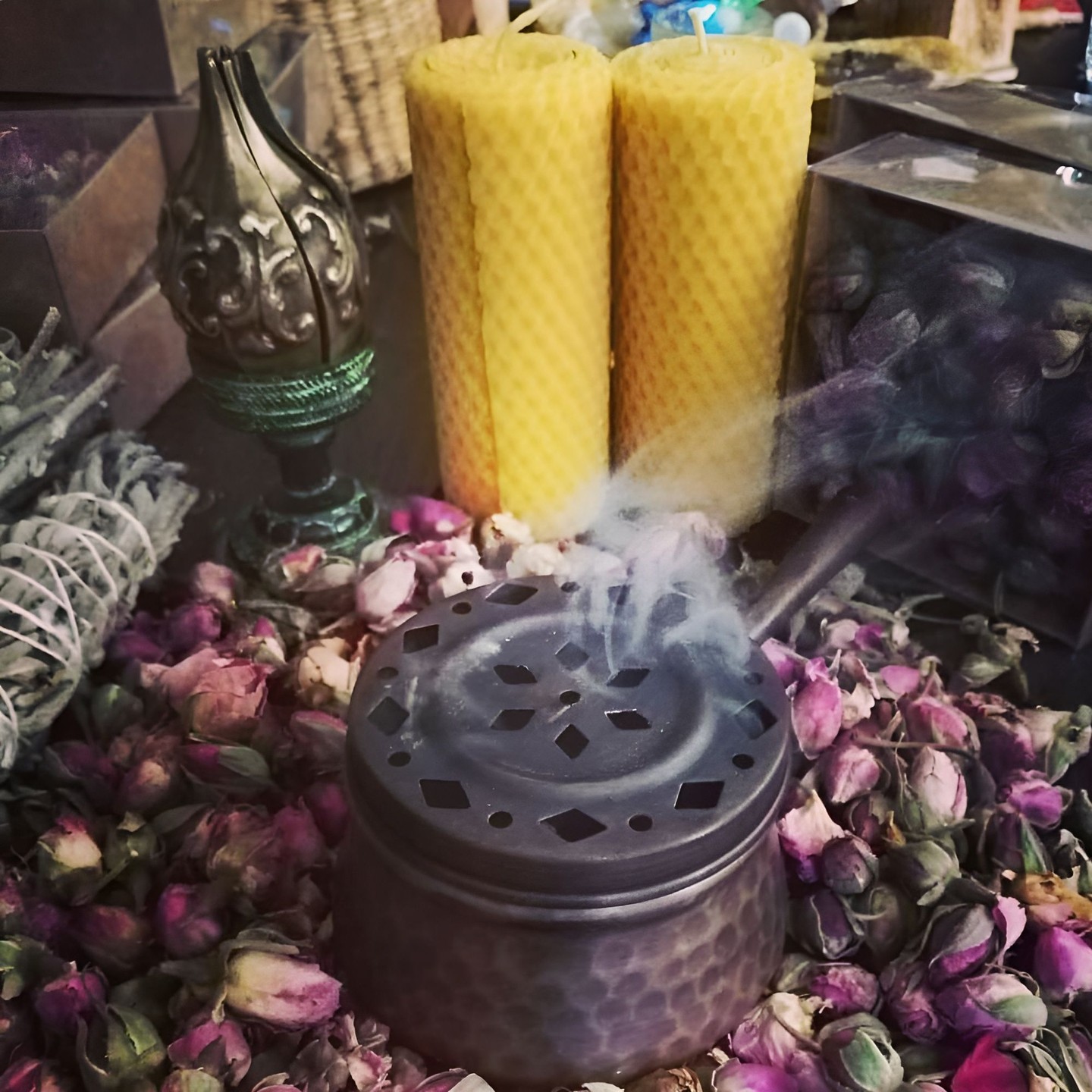
Palo santo, or “holy wood,” has been burned for centuries in traditional rituals. Its sweet, bright aroma and its long role in ceremony have made it a popular part of meditation and smoke cleansing rituals around the world. That popularity has also raised concerns about overharvesting and poor harvest practices.
In this article, we look at how palo santo is harvested and at practical ways to enjoy it with its future in mind.
The Story Behind Palo Santo’s Popularity
Palo santo is the wood of Bursera graveolens, a tree native to the dry tropical forests of Central and South America, especially Ecuador and Peru. Traditional harvesters say the wood develops its full fragrance only after a dead tree or branch has been left to age for several years. That slow process is part of what makes the wood valued, and part of why demand can put pressure on it.
Uses of Palo Santo
Palo santo has a variety of uses, including:
- Smoke Cleansing: In many South American traditions, palo santo is burned in smoke cleansing rituals and ceremonies to mark a fresh start in a space.
- Ritual and Meditation: Many people love its warm, bright scent and enjoy it during meditation and quiet evening rituals, when it helps create a calm atmosphere.
Harvesting Palo Santo
As demand for palo santo has grown, concerns about harvest practices have grown too. Reports describe wood being cut from living trees, or from branches too young to have developed their scent, to meet demand.
When you buy palo santo, it is fair to ask the seller where the wood comes from and how it was harvested. Sellers who work with legal harvesters in Peru or Ecuador can often tell you about the permits or documentation involved.
Why Harvest Practices Matter
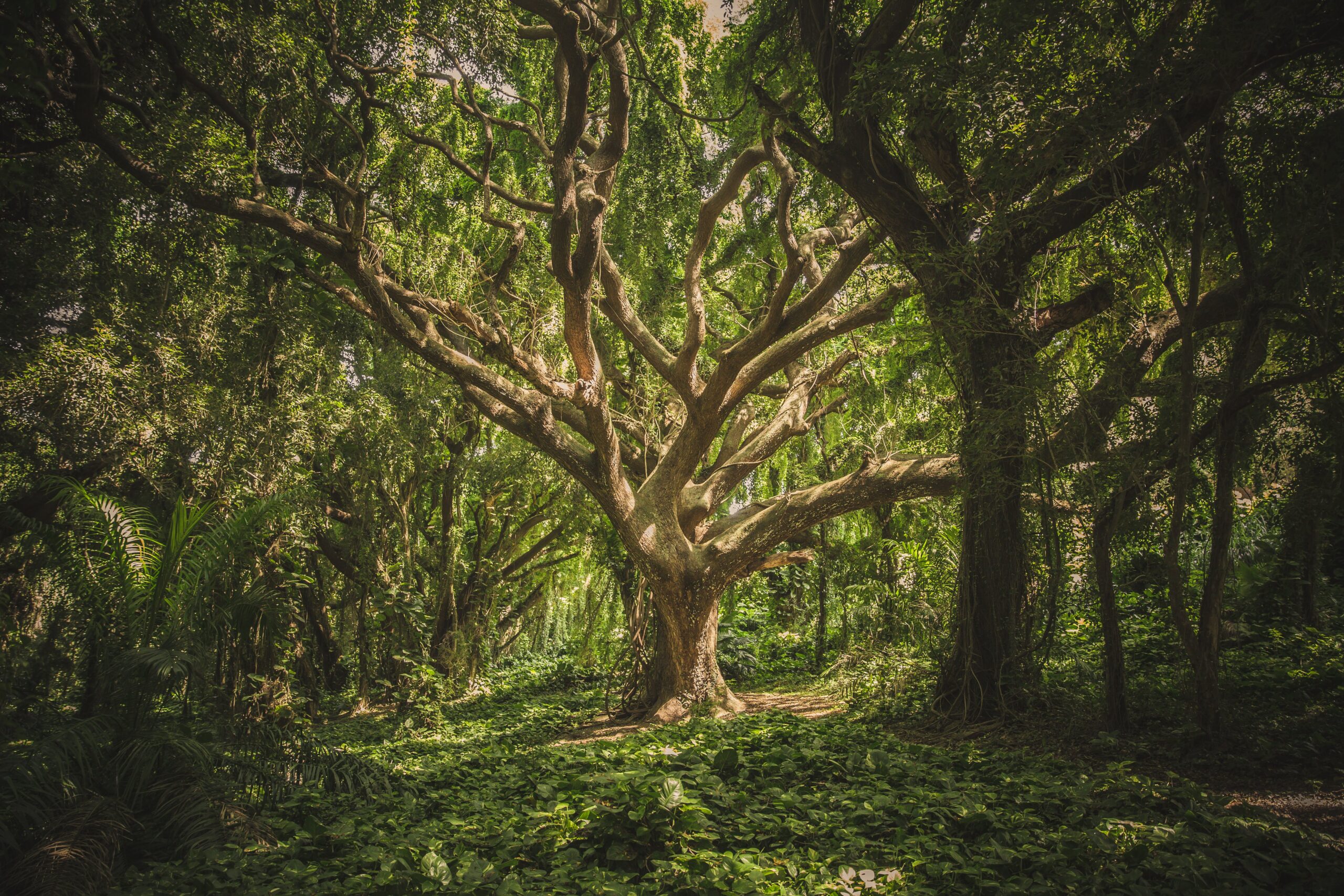
The dry tropical forests where Bursera graveolens grows are home to many plants and animals, and the trees are part of that ecosystem. Poor harvest practices can disturb that balance, contributing to soil erosion and loss of habitat. Note that another tree, Bulnesia sarmientoi from the Gran Chaco region, is also called palo santo; it is a different species with its own trade rules.
Careful and Careless Harvesting
Careful harvesting means collecting dead wood and letting it age, leaving living trees standing and giving young trees time to grow. Careless harvesting means cutting whole trees regardless of their age or condition.
What Careless Harvesting Can Lead To
- Deforestation: Palo santo trees are part of dry forest ecosystems. Cutting living trees reduces the forest, affecting not only the trees but the animals and plants that depend on them.
- Soil Degradation: Poor techniques, such as uprooting whole trees, can lead to soil erosion. This can have long-term effects on the land and make it harder for new trees to grow.
- Loss of Cultural Traditions: Palo santo has been part of Indigenous spiritual practice for centuries. Careless harvesting can disrupt these traditions and the livelihoods of communities who depend on the wood.
- Loss of Habitat: Dry forests provide a home for many animal and plant species. Clearing them can displace those species.
Using Palo Santo Responsibly
- Ask Questions: When buying palo santo, ask the seller where the wood comes from and what documentation they have, such as harvest or export permits. A seller who cannot answer basic questions is worth thinking twice about.
- Consider Alternatives: Alongside palo santo sticks, consider palo santo oil for a diffuser, or entirely different options such as Anatolian sage, lavender bundles or cedar.
- Burn Only What You Need: Light a stick for a short session and let it go out. Palo santo can be relit many times, so one stick lasts a long while.
- Put It Out Properly: When you finish, press the glowing tip into sand or a fireproof dish until it stops smoking. This saves wood and keeps your home safe.
- Dispose of Ash Carefully: Let ash cool completely in a fireproof container, then put it in household waste.
- Do Not Harvest from the Wild: Do not collect palo santo from its natural habitat yourself; buy from sellers who can tell you where their wood comes from.
Choosing Who You Buy From
Do your research and buy from sellers who are open about where their palo santo comes from. This encourages careful practices and supports communities who depend on the trade.
How Can Buyers Encourage Better Practices?
As buyers, we can ask for transparency. Before buying palo santo, ask questions and choose sellers who answer them clearly. Together, these small choices can help keep this tree and its forests for future generations.
For our part: palo santo is not grown in Anatolia; it comes from South America, and we hand-pack it in our atelier. We share what we know about our wood, and if you have a question, write to us.
Raising Awareness
Learning about palo santo, and sharing what you learn, can reduce the effects of careless practices. Many people simply do not know how the wood they buy is harvested.
How Can We Learn and Share More About Palo Santo?
- Share what you learn with friends, in person or online.
- Follow and support initiatives that work to conserve dry tropical forests.
- Encourage others to ask sellers where their wood comes from.
- Learn about the cultural significance of palo santo and its role in Indigenous communities.
Enjoying Palo Santo While Keeping It Available for the Future
Enjoying the scent and tradition of palo santo, and making sure it is still there for future generations, begins with thoughtful buying. By asking questions, burning only what we need and choosing open sellers, we can help ensure the tree continues to thrive in its natural habitat.
Every small choice counts. It is a simple way to show respect for the tree, its forests and the people whose traditions it belongs to.
You can find our hand-cut Palo Santo Wood Incense and our other Traditional Wood Incenses on our website.
Lit as part of meditation or a quiet evening, palo santo brings a bright, fresh scent into your home. Burn it in a well-ventilated room, never leave it unattended, and if you have asthma or are sensitive to smoke, ask your doctor first.
FAQ
- Q: How can I find out where my palo santo comes from?
- A: Ask the seller where the wood was harvested and what permits or documentation they have. Open sellers will tell you what they know.
- Q: What are some alternatives to palo santo?
- A: Palo santo oil in a diffuser, Anatolian sage, lavender bundles, cedar or other woods and herbs.
- Q: How should I dispose of palo santo ash?
- A: Let it cool completely in a fireproof container, then put it in household waste.
- Q: Can I harvest palo santo from the wild?
- A: No. Collecting it from its natural habitat disturbs the ecosystem and may be illegal. Buy from sellers who can tell you where their wood comes from.
- Q: How can I support better palo santo practices?
- A: Ask questions, choose open sellers, burn only what you need and share what you learn.




