

Blog
Chakra Stones: A Guide to the 7 Stones and Their Lore

The chakras come from ancient Indian yoga and tantric tradition, where they are described as seven centers along the spine, each linked with a color and a part of life. Modern crystal lore pairs each chakra with a stone of a matching color, and these are often called chakra stones.
In this guide, we explore the lore of the seven chakra stones and the chakra each one is traditionally linked with. You will also find ideas for using chakra stones in meditation and ritual, and tips on caring for them. Traditional associations are shared as culture and folklore; this is not a substitute for medical care.
1. Root Chakra: Red Jasper
In chakra tradition, the root chakra is associated with security, stability and basic needs. In crystal lore, Red Jasper is linked with the root chakra and is traditionally seen as a grounding stone. Many people enjoy its deep, earthy red and choose it for meditation focused on steadiness.
2. Sacral Chakra (Svadhisthana): Orange Calcite
The sacral chakra is linked in chakra tradition with creativity, pleasure and emotion. In crystal lore, orange calcite is associated with this chakra and with emotional freedom. Its warm orange glow makes it a favorite for creative spaces and creative rituals.
3. Solar Plexus Chakra: Citrine
The solar plexus chakra is associated with confidence and self-esteem. In crystal lore, Citrine is connected with this chakra and is traditionally associated with optimism and motivation. Its sunny golden color brings a bright, warm note to any room.
4. Heart Chakra: Green Aventurine
The heart chakra is connected with love, compassion and acceptance. In crystal lore, Green Aventurine is associated with the heart chakra and with harmony and warm connections in relationships. Many people love its soft green tones and its faint shimmer, and keep it close during heart-centered meditation.
5. Throat Chakra: Lapis Lazuli
The throat chakra is linked with communication and self-expression. In crystal lore, lapis lazuli is associated with this chakra and with free self-expression, creativity and clarity. Its deep blue, often flecked with gold-colored pyrite, has been treasured since ancient Egypt.
6. Third Eye Chakra: Amethyst
The third eye chakra is associated with intuition and insight. In crystal lore, amethyst is linked with this chakra and is traditionally used as a companion for meditation and reflection. Its purple tones create a quiet, serene mood for contemplation.
7. Crown Chakra: Clear Quartz
The crown chakra is connected in chakra tradition with spiritual connection. In crystal lore, Clear Quartz is associated with the crown chakra and with spiritual growth. In these traditions it is also seen as a stone that can stand in for any of the seven chakras.
How to Use Chakra Stones
When using chakra stones, start by setting an intention. During meditation, some people lie down and place each stone on the matching point of the body, from the base of the spine to the crown of the head; others simply hold one stone or keep a set nearby. You can also carry a stone with you through the day as a small reminder of your intention.
Caring for Chakra Stones
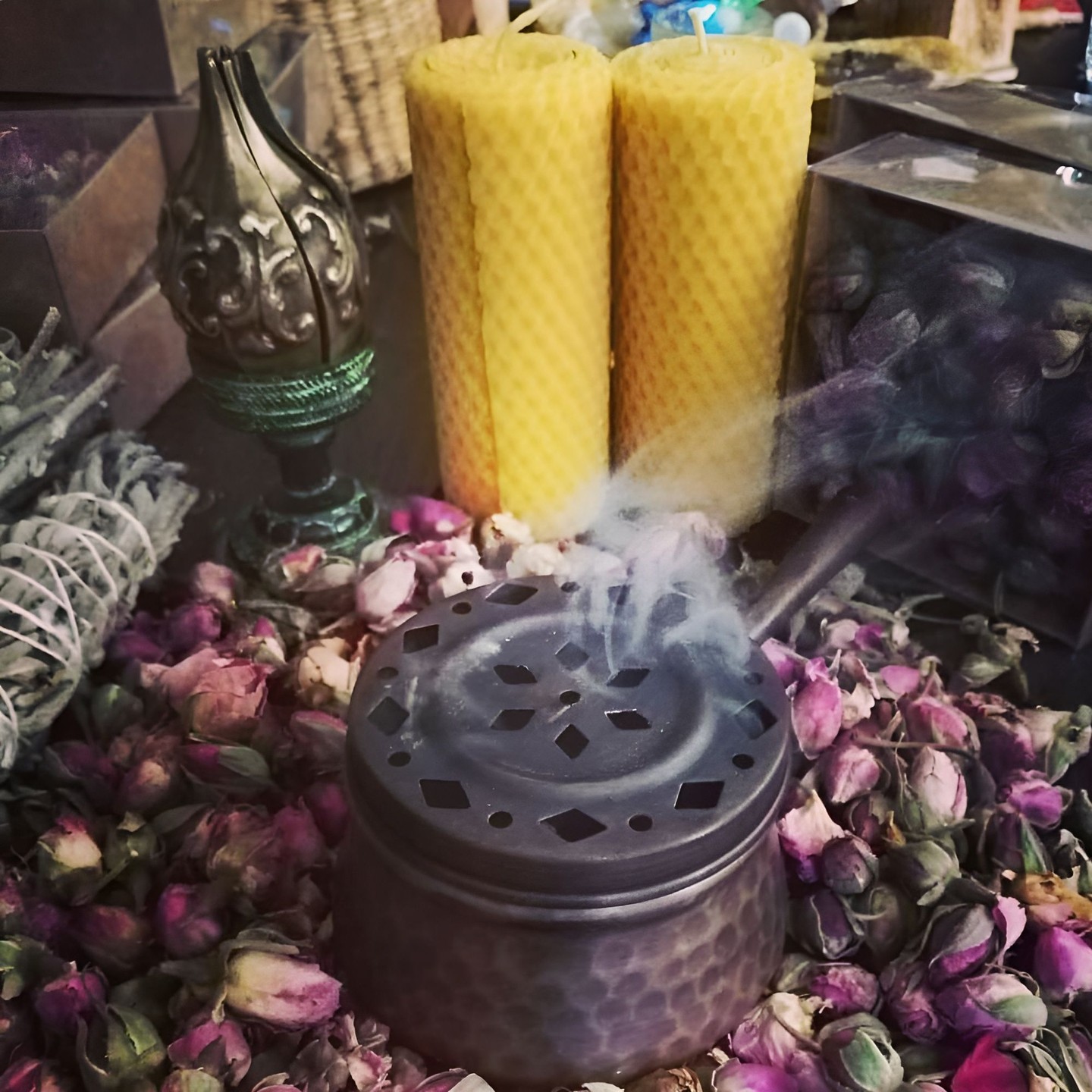
Wipe your stones with a soft, slightly damp cloth and dry them well. Avoid saltwater and long soaking: salt can damage softer stones, and calcite and lapis lazuli in particular are sensitive to water and acids. In crystal tradition, many people also set their stones in moonlight or pass them through the smoke of Anatolian sage as part of a smoke cleansing ritual. These customs are shared as tradition, not as promises.
Moonlight, Sunlight and Intention
In crystal tradition, stones are often set in moonlight, especially under a full moon, as a ritual of renewal. Sunlight is also mentioned in these traditions, but take care: amethyst and citrine can fade in strong, direct sun, so moonlight is the gentler choice. Before using your chakra stones, many people like to hold each one for a moment and set an intention, as part of their ritual.
Make Chakra Stones Part of Your Practice
Chakra stones are a colorful, tactile way to explore an old system of ideas. Each stone has its own lore and is traditionally associated with a particular chakra. Use this guide to choose your chakra stones and make them part of your own practice.
Discover Chakra Stones for Your Own Ritual
Explore Mamuxa’s Natural Stones / Crystals collection to find stones for each of the 7 chakras. Make these beautiful stones part of your meditation and daily rituals.
FAQ
- Q: What are chakra stones? A: Chakra stones are stones that crystal lore traditionally pairs with the seven chakras, usually by color.
- Q: How do I use chakra stones? A: You can place them on the matching points during meditation, hold them, carry them with you or use them in your own rituals.
- Q: How do I clean my chakra stones? A: Wipe them with a soft, damp cloth and dry them. Avoid salt and long soaking. Many people also follow traditional rituals such as moonlight or a smoke cleansing ritual with Anatolian sage.
- Q: Which stone is paired with the root chakra? A: In crystal lore, red jasper is traditionally associated with the root chakra.




