

Blog
What Is Agarwood (Oud)? Its Scent, History and Traditions

Agarwood: A Treasured Scent with a Long History
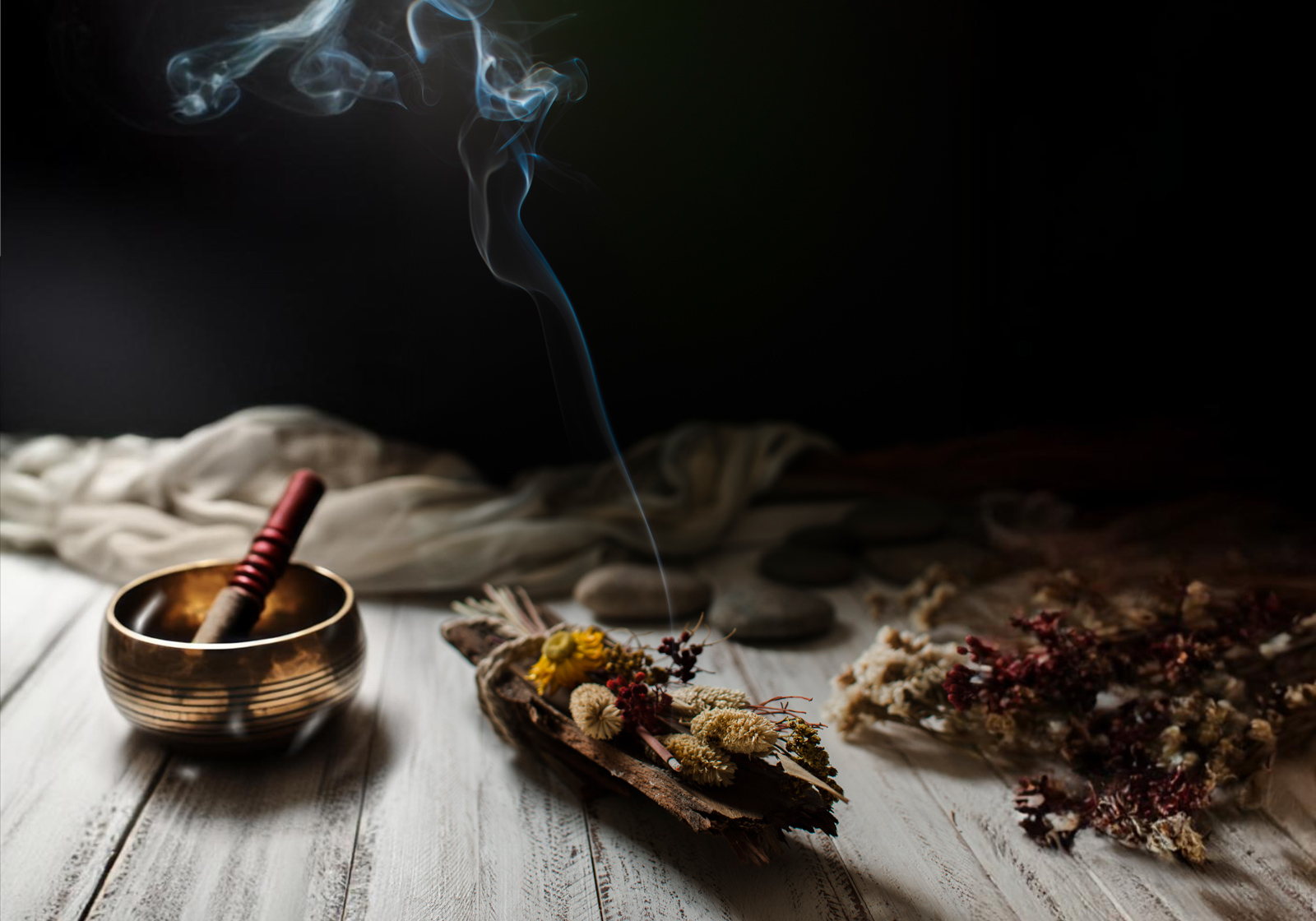
Agarwood, also called oud or aloeswood, is one of the most prized aromatic materials in the world. It is the dark, resinous heartwood of Aquilaria trees, native to South and Southeast Asia. The resin forms only when a tree reacts to injury or infection, which is why good agarwood has always been rare. For centuries it has been valued for its scent and burned in ceremonies and rituals across many cultures.
The History of Agarwood
Agarwood has been traded for well over two thousand years. It is mentioned in early Sanskrit texts, and in China it was burned in temples and at court, where it was counted among the finest incense materials.
In the Middle Ages, agarwood was a valuable trade good, carried along the maritime and overland routes of the Silk Road to the Middle East and Europe. In the Islamic world and later in Europe it was used in perfumery and in religious ceremonies, and it remained a luxury prized for its fragrance through the Renaissance and beyond. Today, all Aquilaria species are listed under CITES, the international agreement that regulates trade in wild plants and animals.
Agarwood in Religious Traditions
Agarwood has a special place in several religious traditions. In Hindu tradition, agarwood, known in Sanskrit as agaru, is burned as incense in temples and at home shrines. In Buddhism, it is one of the classic incense woods used in temples and meditation halls, and in Japan it is at the heart of kōdō, the traditional “way of incense.”
In Islamic tradition, burning aloeswood incense is described in the hadith as a practice of the Prophet Muhammad, and oud remains deeply loved in the Arab world. In the Bible, the “aloes” mentioned in the Psalms and in the Gospel of John, among the spices brought for the burial of Jesus, are often identified with agarwood.
Agarwood in Meditation and Ritual
Throughout history, agarwood has played a significant role in meditation and ritual. When it is burned, many people appreciate the quiet, contemplative atmosphere and the deep fragrance it brings, which has made it a much-loved part of meditation and spiritual practice. In Buddhist and Hindu traditions in particular, burning agarwood during meditation is a common practice.
Agarwood, Chakras and Spiritual Traditions
In modern incense lore, agarwood is associated with the chakras, and particularly with the crown chakra. In these belief systems, it is traditionally linked with spiritual awareness, intuition and a sense of inner peace.
The Scent and Traditions of Agarwood
The main reason agarwood has been cherished across cultures is its remarkable fragrance. Its scent is rich, warm, slightly sweet and woody, with a depth that changes as it burns. Many people enjoy it during quiet evenings, meditation and moments of reflection. In many traditions it is also burned to welcome guests, to mark celebrations and to begin something new.
How to Burn Agarwood
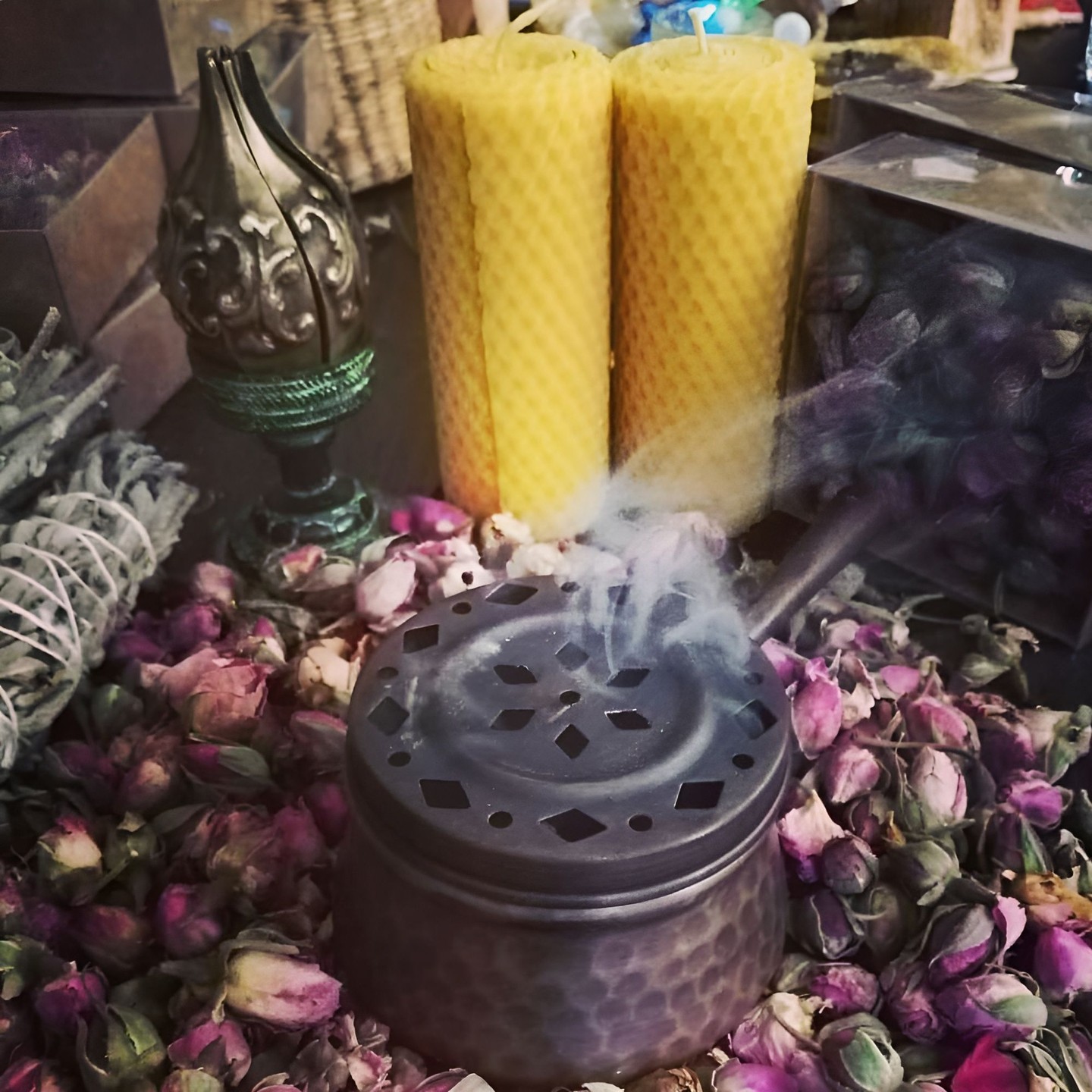
Our agarwood comes as small pieces of resinous heartwood, burned on incense charcoal in a heat-resistant burner. Fill the burner with incense sand, light a charcoal piece and set it on the sand, and wait until it glows and turns gray at the edges. Then place one small piece of agarwood on the charcoal and let it warm slowly. The rich, sweet scent will gradually fill the room.
Important Note: Always place the burner on a non-flammable surface and stay nearby while the charcoal is burning. Keep it away from children and pets, and ventilate the room during and after use. If you have asthma or another respiratory condition, ask your doctor before burning incense.
With thousands of years of history and a place in many religious traditions, agarwood has always held a special meaning for people. Today, its scent still brings a sense of occasion to an ordinary evening.
Explore Mamuxa’s Natural Agarwood Incense and Traditional Wood Incense to discover this scent for yourself and your loved ones.
Making agarwood part of your meditation ritual is a simple way to create a quiet, peaceful atmosphere at home, and a good way to discover the other aromatic woods in our collection.




