

Blog
Palo Santo: Scent, History and Traditions of the Holy Wood

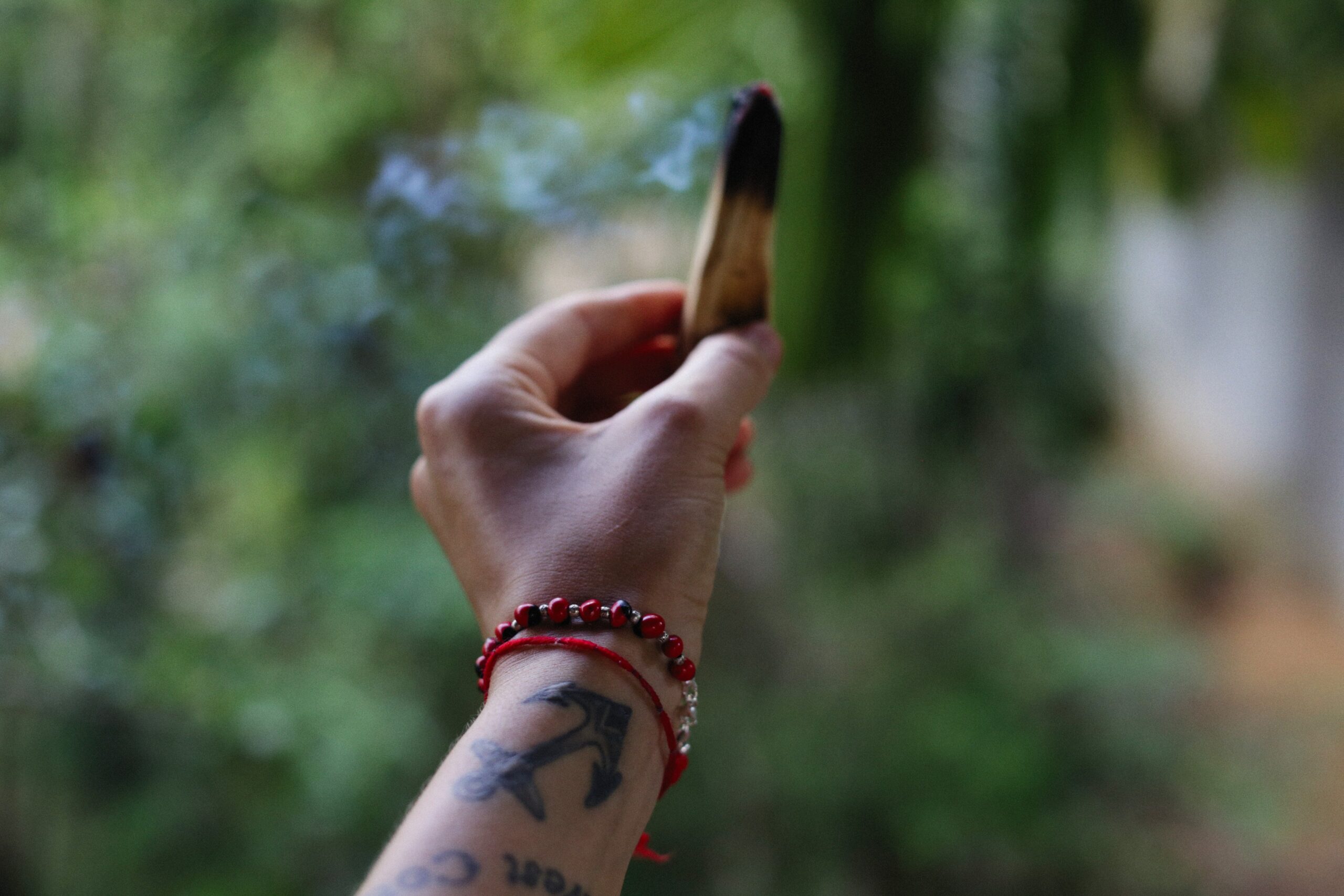
Palo santo, Spanish for “holy wood”, is the wood of Bursera graveolens, a tree of the dry forests of South America. For centuries, Indigenous peoples of Ecuador and Peru have burned it in ceremony and ritual and treasured its aroma. Today many people love its warm, sweet scent at home and light it for a calm, natural atmosphere.
The scent of palo santo
Palo santo smells bright and sweet with a touch of spice: lemon peel and pine resin over a soft, woody warmth. Its oil is rich in limonene, the same aromatic compound found in citrus peel, which is part of why it smells so fresh. This scent sets palo santo apart from other incense woods. Many people light it during meditation or quiet, focused activities as part of a personal ritual.
Traditional and modern uses
In Indigenous and Andean tradition, palo santo is burned in ceremonies and smoke cleansing rituals. Today it is also enjoyed simply for its rich, comforting scent and the quiet atmosphere it brings to a room. Besides the wood itself, palo santo is distilled into an essential oil used in perfumery and home fragrance.
Palo santo in tradition and lore
In South American folk tradition, palo santo has long been associated with peace, harmony and renewal. Many people enjoy its sweet, smoky scent as part of an evening wind-down, and it has become a popular part of nighttime routines for those who love a warm fragrance at the end of the day.
Smoke cleansing in tradition
When lit, palo santo releases a fragrant smoke that has long been part of smoke cleansing rituals. From Andean ceremonies to everyday home rituals, many people burn it to mark a fresh start in their homes and personal spaces. We share this as culture, not as a promise of any effect.
Palo santo in meditation
Palo santo is often part of meditation and quiet evening practices. It is a companion to reflective moments, and its aroma helps set a calm, peaceful atmosphere at the start or end of a busy day.
Cultural respect and sourcing
In South American cultures, palo santo is part of a living heritage, and it is burned before prayer and meditation to mark a space and time as set apart. Palo santo is not grown in Anatolia; it comes from South America. How it is harvested matters to many people, and it matters to us. Whoever you buy from, it is fair to ask where the wood comes from.
A scent for quiet, mindful moments
Many people find palo santo’s aroma a beautiful backdrop for journaling, yoga or a peaceful evening at home. Its warm, resinous fragrance gives the room a sense of ceremony and makes everyday moments feel a little more special.
A warm presence at home
Palo santo is loved for the cozy, welcoming atmosphere it brings to a home. If you share your home with pets, take care when burning any incense: ventilate the room well and keep smoke away from animals.
Traditional lore and everyday use
In folk tradition, palo santo was burned to mark new beginnings and special occasions. Today many people burn it simply for its distinctive, inviting fragrance.
In conclusion
Palo santo is a lovely companion for slow, intentional living, treasured for its aroma and its place in centuries-old tradition. Each time you light it, you take part in the heritage of this old tree and enjoy the atmosphere it brings to your space.
Explore palo santo and traditional incense at Mamuxa
Discover Mamuxa’s Palo Santo Incense and our Traditional Incense Collection, for yourself or as a gift. Our palo santo is hand-cut, so every stick varies a little in size and color.
FAQ
- Q: What is palo santo? Palo santo, or “holy wood”, is Bursera graveolens, a South American tree known for its sweet, citrusy, resinous aroma and its place in traditional ritual.
- Q: How is palo santo used? Most often as small sticks: light the tip, let it flame for about 30 seconds, blow it out and let it smolder on a heat-proof holder. It can be relit many times.
- Q: What is palo santo traditionally used for? In South American tradition, it is burned in ceremonies and smoke cleansing rituals and to mark new beginnings, and it is loved for its warm fragrance.
- Q: Is palo santo safe around pets? Use caution around pets: ventilate well and keep smoke away from animals. If you have asthma or another respiratory condition, ask your doctor before burning incense.




