

Blog
Palo Santo at Home: Scent, Ritual and Everyday Use

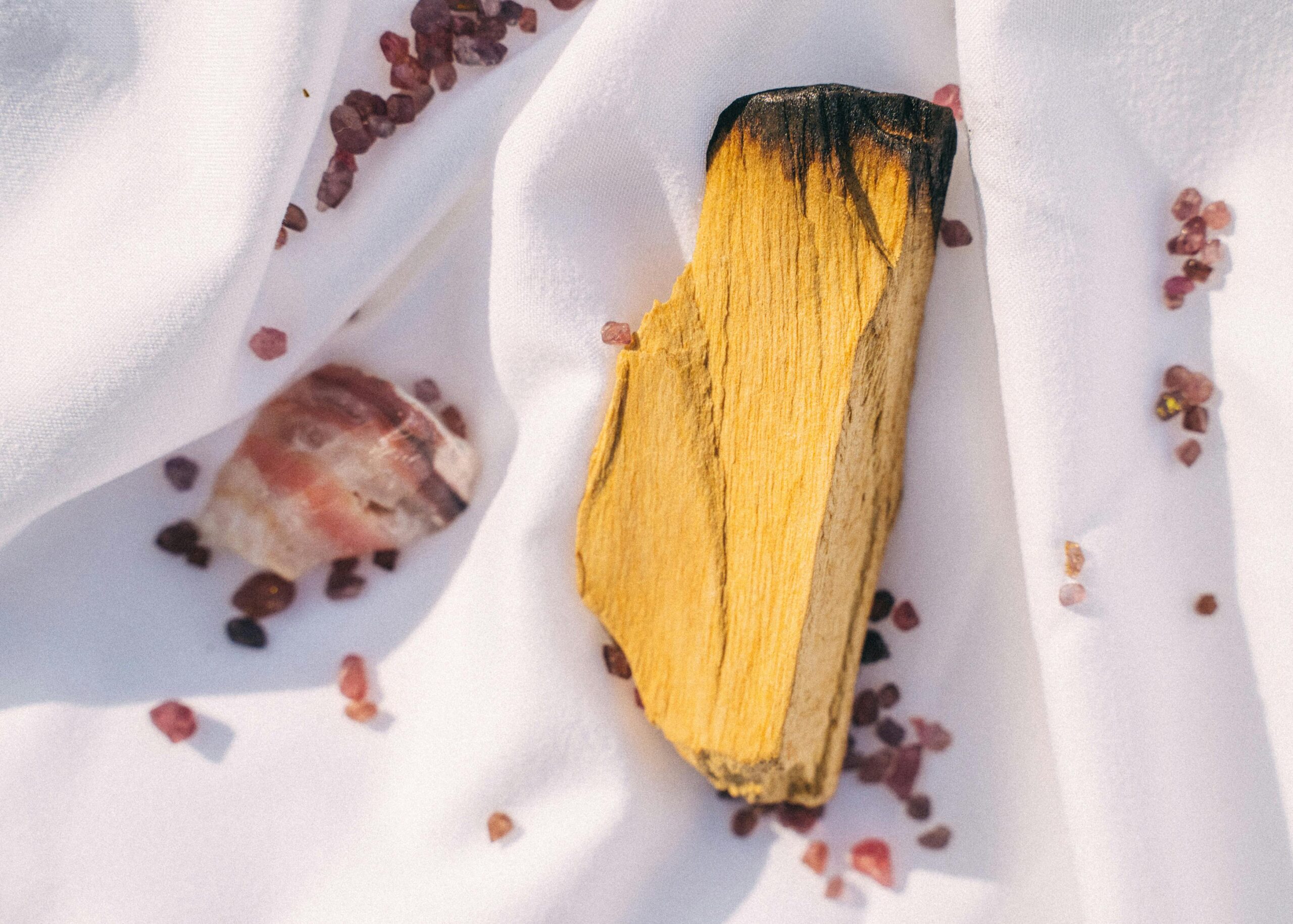
Palo santo is a tree native to South America, and its wood has been burned for centuries in ceremonies and smoke cleansing rituals. With its sweet, woody scent of citrus peel and pine resin, palo santo is an easy way to bring a calm, peaceful atmosphere into your home.
A smoke cleansing tradition for the home
In many South American traditions, palo santo smoke is part of rituals that mark a home as fresh and welcoming. Today many people light a stick in the evening as a small ritual of their own, a way of closing the day and making a room feel lighter. We share this tradition as culture, not as a promise of any effect.
How to use palo santo
Light the tip of a stick and let it flame for about 30 seconds, then gently blow it out so it smolders. Let the smoke drift through the room, or carry it slowly from one corner to another as part of your ritual. Rest the stick on a heat-proof holder; it usually goes out on its own, and you can relight it many times. In tradition, this is a way of marking a fresh start.
Traditions and ritual use
Palo santo has a special place in Andean tradition. During meditation or yoga, many people enjoy its grounding aroma as part of a quiet, calm atmosphere. In folk tradition, its smoke marks a space as ready for something new, and many people simply find that a room feels fresher once the scent settles.
Natural materials in your living space
Plants, wood, stone and linen go well with palo santo’s warm, woody scent and the calm atmosphere many people associate with it.
Tradition and sourcing
Palo santo has long been valued in South American ceremony and ritual. It is not grown in Anatolia; it comes from South America. How it is harvested matters to many people, and it matters to us. Whoever you buy from, it is fair to ask where the wood comes from.
Palo santo in everyday rituals
Palo santo fits easily into daily life. Light a stick when you come home, before you sit down to read, or on a quiet Sunday morning. Many people enjoy its warm aroma as part of a slow, mindful routine at home.
Making it part of your home
Beyond a single ritual, palo santo can become part of how your home feels: calm, warm and your own.
Keep safety in mind: burn palo santo in a ventilated room, never leave it unattended, and keep it away from children, pets and anything flammable. If you have asthma or another respiratory condition, ask your doctor before burning incense.
Discover palo santo at Mamuxa
Explore the scent and tradition of palo santo with Mamuxa’s Palo Santo Wood Incense and our Traditional Wood Incense. Our palo santo is hand-cut, so every stick varies a little in size and color.
Frequently asked questions
- What is palo santo used for?
- Palo santo is traditionally burned in smoke cleansing rituals, to mark new beginnings and to set a calm atmosphere for meditation.
- How do I use palo santo in a smoke cleansing ritual?
- Light a stick, let it flame for about 30 seconds, blow it out and let the smoke drift through the space. Many people carry it slowly around the home as part of the ritual.
- Is it fine to burn palo santo indoors?
- Yes, with care. Keep a window open while it burns, use a heat-proof holder and never leave it unattended.
- How often should I burn palo santo?
- It depends on your preference. Some people light it every day as part of a ritual, while others use it now and then during meditation or quiet evenings.
- Where does palo santo come from?
- Palo santo (Bursera graveolens) is a South American tree; it does not grow in Anatolia. Ask any seller where their wood comes from, and if you have a question about ours, write to us.
- Can palo santo be part of a personal ritual?
- Yes. Many people enjoy it in quiet evening rituals and personal ceremonies, simply for its warm, woody scent.




