

Blog
Natural Stones and Crystals: History, Lore and Care


The Lore of Natural Stones: A Legacy Thousands of Years Old
People have collected, carved and carried natural stones and crystals for thousands of years, in ceremony, in meditation and as treasured personal objects. Each stone is prized for its own color, pattern and weight, and for the meanings that crystal lore has given it. Because different stones carry different associations in these traditions, choosing one is often a personal matter: many people simply pick the stone that speaks to them. Traditional associations are shared as culture and folklore; this is not a substitute for medical care.
The Lore and Symbolism of Stones
Each natural stone has its own place in crystal lore. For example, amethyst is associated with calm, while quartz crystal is linked with clarity and light. These associations belong to a long tradition of belief rather than established fact, and we share them in that spirit.
In crystal lore, green aventurine is associated with the heart chakra, and obsidian with reflection and self-awareness. Many people who collect stones enjoy these traditions and bring them into their personal rituals.
Stones also carry rich stories. In folklore, hematite is associated with grounding and stability, and many people simply enjoy its metallic sheen and satisfying weight in the hand. Tourmaline, too, has a long place in crystal lore, and black tourmaline is a popular choice for those who like to keep a stone on their desk.
The History and Cultural Significance of Stones
Ancient civilizations valued natural stones highly. In Ancient Egypt, pharaohs and priests wore amethyst and lapis lazuli in jewelry, amulets and ceremonial objects, as symbols of rank and of closeness to the gods. Lapis lazuli, with its deep blue and gold flecks, was one of the most prized materials of the ancient world; it was carved into scarabs and set into royal jewelry, and it is often said that ground lapis was used as an eye color. In Egyptian religious life, it appeared in ceremonies and was linked with the heavens.
The name hematite comes from the Greek word for blood, because the stone leaves a red streak when scratched. In Roman lore it was linked with Mars, the god of war, and soldiers are said to have carried it as a symbol of courage.
Amethyst takes its name from the Greek amethystos, “not intoxicated.” In ancient Greek legend, and later in medieval Europe, amethyst was set into wine cups in the belief that it would keep the drinker sober. Priests and nobles prized it as a stone of calm and dignity, and it still appears in the rings of bishops. Medieval scholars and alchemists wrote at length about stones and their supposed virtues. This history shows that natural stones mattered not only as practical materials but also as symbols.
Stones in Meditation and Personal Ritual
Natural stones have a long place in meditation practice. Many people enjoy holding a stone as part of their meditation ritual. Holding an amethyst, for example, is a practice many people find meaningful and a lovely way to mark a quiet moment. Quartz crystal is another popular companion for meditation.
In meditation traditions, stones are often paired with specific chakras. Rose quartz is traditionally associated with the heart chakra and with love and compassion. Lapis lazuli is associated in crystal lore with the third eye chakra and with inner vision.
In ritual practice, stones are often used as a focal point for an intention. Some people place a stone on a small altar beside a candle, or hold it while they set an intention for the day. In these traditions, the stone serves as a physical reminder of what you want to keep in mind.
The Chakras and Natural Stones
In yoga and tantric tradition, the chakras are described as seven centers along the spine, each linked with a color and a part of life. Crystal lore pairs each chakra with stones of a matching color. For example, green aventurine and rose quartz are traditionally associated with the heart chakra and with love and compassion.
The root chakra, linked with a sense of safety, is traditionally paired with red or black stones, such as hematite or black tourmaline. The sacral chakra, linked with creativity and emotion, is traditionally paired with orange stones; carnelian is the classic example.
The solar plexus chakra, associated with confidence, is traditionally paired with yellow stones such as citrine or amber. The crown chakra, linked in this tradition with spiritual connection, is traditionally paired with white or purple stones, such as amethyst and selenite.
Stones in Lore and Tradition
Many natural stones carry rich associations in folklore. Hematite is associated with grounding, while green fluorite is linked with growth and renewal in crystal lore. Black tourmaline is associated with steadiness and balance.
Aventurine is associated with the heart chakra and, in these traditions, with emotional peace and inner harmony. Lapis lazuli is associated with the throat chakra, communication and clarity of thought. These stones are treasured for their beauty, their symbolism and the meanings people have given them over the centuries.
Stones also play a part in personal reflection. Obsidian, a natural volcanic glass, is associated in crystal lore with self-awareness and inner journeys, and in these traditions it is used as a symbol of letting go of what no longer serves you. Quartz crystal is associated with clarity. Many people keep these stones as symbols of growth and inner strength.
Caring for and Cleaning Natural Stones
Good care keeps natural stones looking their best. For most tumbled and raw stones, wipe them with a soft, slightly damp cloth and dry them well. Avoid harsh chemicals and ultrasonic cleaners. Some stones should not get wet at all: selenite, malachite and other soft or porous stones can be damaged by water, so dust them with a dry, soft brush instead.
Light matters too. Amethyst, rose quartz, fluorite and citrine can fade in strong, direct sunlight over time, so keep them out of sunny windowsills. In crystal tradition, many people set their stones in moonlight, especially under a full moon, as a gentle ritual to mark a fresh start. Moonlight is harmless to the stones, so this is a lovely custom to keep.
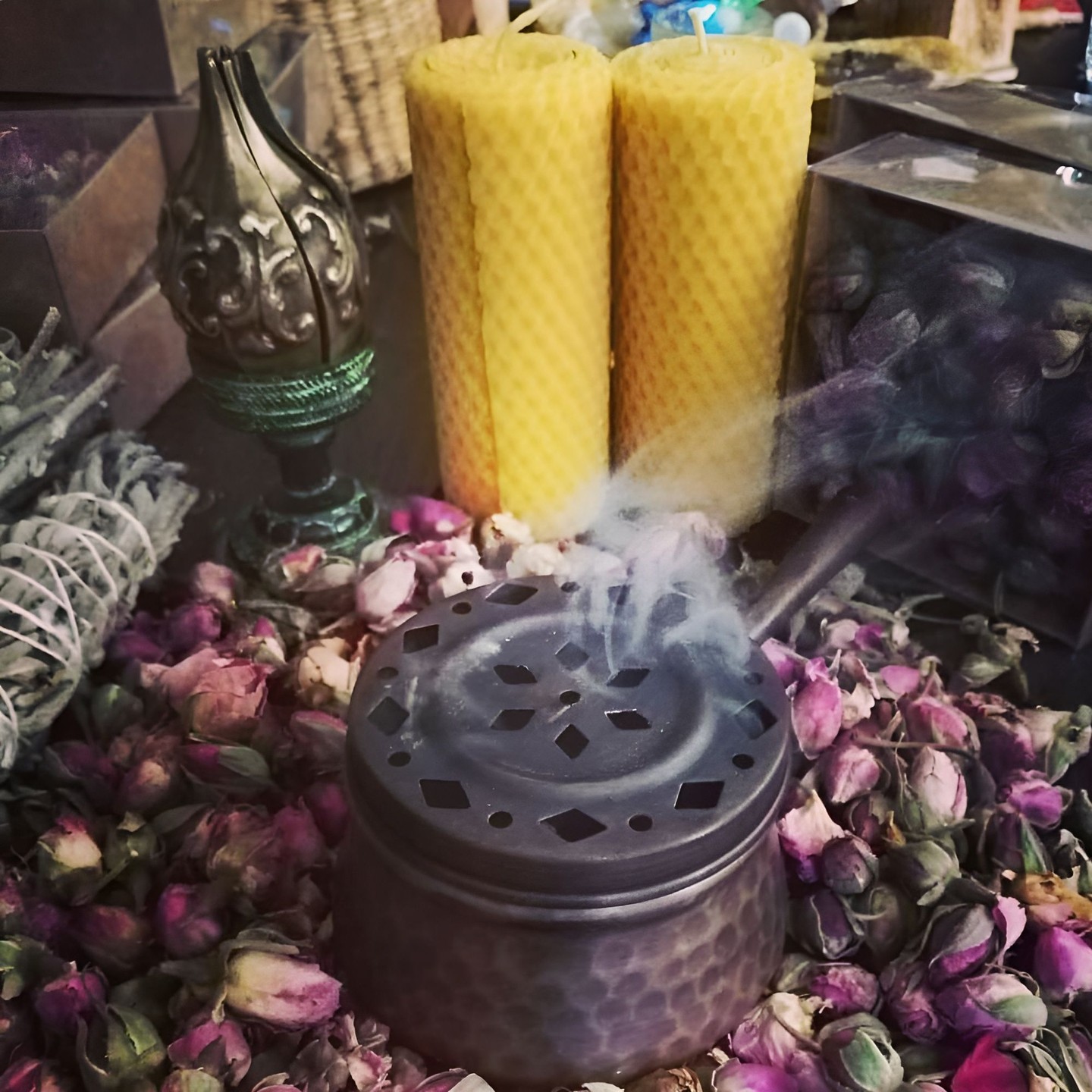
Other traditional rituals include resting stones on the soil of a potted plant, passing them through the smoke of Anatolian sage or palo santo as part of a smoke cleansing ritual, and ringing a singing bowl or bell nearby. These are shared as traditions, not as promises. Whatever you choose, store stones separately in soft pouches or a lined box so harder stones do not scratch softer ones.
Using Stones at Home and at Work
Natural stones can shape the look and feel of a home or office as much as any other decorative object. In feng shui and similar traditions, stones are placed in particular corners of a home to create a calm, welcoming atmosphere. On a desk, quartz crystal and amethyst are popular companions for those who enjoy a calm, focused setting.
In crystal tradition, some people keep a black tourmaline stone near the front door as a symbol of a calm, settled home. A quartz crystal is a classic choice for the living room, where it catches the light. In the bedroom, amethyst is a traditional choice for those who like a soft, quiet feel.
At work, a fluorite stone on the desk is a popular way to decorate a workspace with intention. A quartz sphere in a meeting room is a traditional feng shui choice and an eye-catching object. Used this way, stones add color and texture and help make a space feel personal and welcoming.
Ways to Bring Natural Stones into Your Life
There are many ways to enjoy natural stones. You can wear them as jewelry, hold them during meditation or use them in home decor. Some crystal traditions speak of preparing crystal elixirs; we recommend enjoying your stones as beautiful objects and never putting them in drinking water or ingesting them, since some stones contain minerals that are unsafe.
Natural stone necklaces, bracelets and rings let you carry a stone’s color and symbolism with you through the day. Holding stones in your hands or keeping them nearby during meditation is a cherished part of many people’s practice.
In home decor, choose stones that suit the character of each room. An amethyst cluster can give a living room a soft, calm look, while quartz crystal is a traditional choice for a study.
Explore Mamuxa’s Natural Stone and Crystal Collection
Discover Mamuxa’s natural stone and crystal collection and find pieces that carry special meaning for you and the people you love. Each stone has its own color, pattern and lore. Visit Mamuxa’s Natural Stones and Crystals collection to find the stone that speaks to you.
Every stone is a piece of the natural world with thousands of years of stories behind it. Choose the one that becomes part of your own story.




